Habitational Insurance
Insurance for apartment buildings, lessors risk, condo associations, and residential property portfolios.
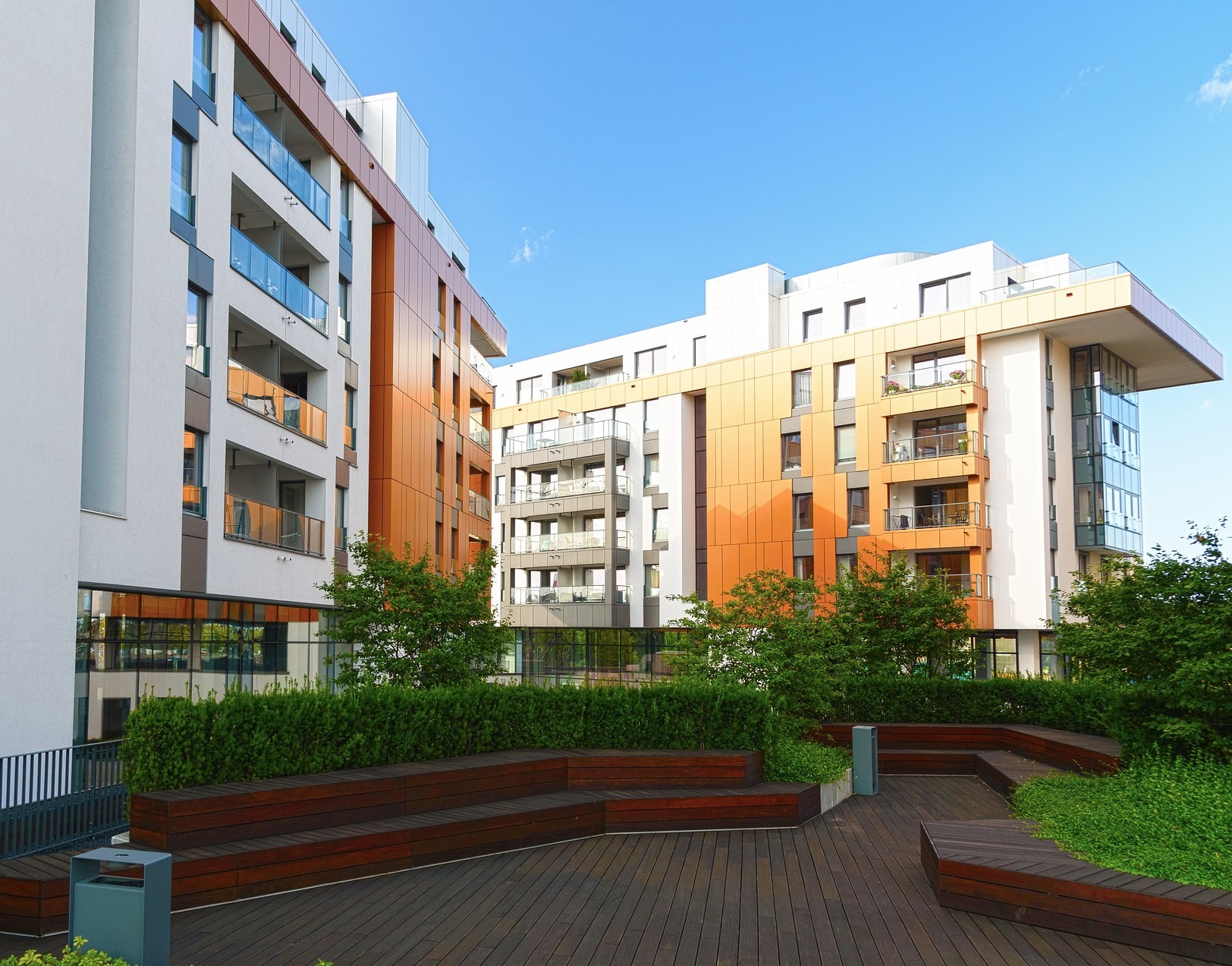
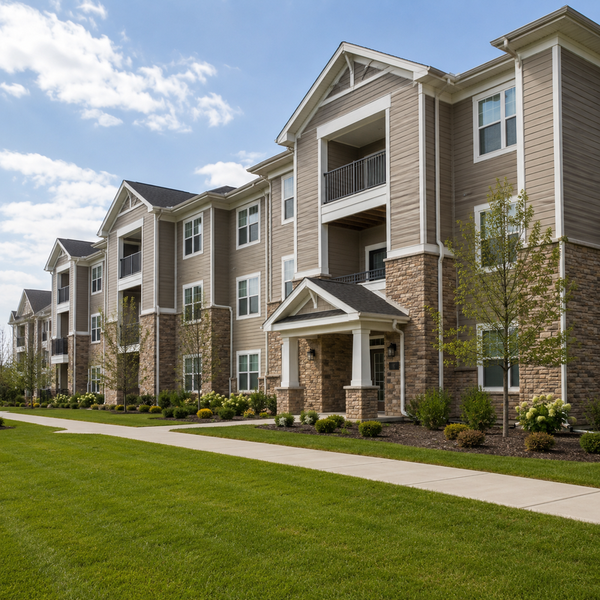
Habitational properties create insurance challenges that are different from many other commercial accounts. Apartment buildings, residential rental properties, condo associations, mixed-use residential buildings, and managed communities can face property losses, liability claims, tenant-related issues, board decisions, employee injuries, and insurance requirements tied to financing, leases, or management agreements.
Concklin Insurance Agency helps habitational clients build insurance programs around the realities of owning, leasing, and managing residential property. That includes apartment buildings, lessors risk accounts, condo associations, and other residential property operations.
Whether you own one rental building or manage a larger portfolio, the right insurance program can help protect your buildings, income, operations, and long-term financial position.

Apartment and Rental Property Insurance
Coverage for apartment buildings, residential rental properties, lessors risk accounts, and multi-unit residential properties.
Condo Association Coverage
Insurance solutions for associations, boards, shared property, common areas, and association-related liability exposures.
Property and Liability Protection
Coverage designed around buildings, rental income, premises liability, common areas, equipment, crime, and umbrella limits.
Independent Insurance Agent
Habitational insurance markets can change quickly. We work with multiple carriers to help property owners and associations find a practical path forward.

Insurance for Habitational Property Owners and Managers
Habitational insurance is not a single policy. It is an insurance program built around residential property ownership, leasing, management, and occupancy.
A habitational account may include:
-
Apartment buildings
-
Residential rental properties
-
Lessors risk properties
-
Condo associations
-
Townhome associations
- Mixed-use buildings with residential units
- Multi-location property portfolios
-
Properties managed by third-party property managers
-
Buildings with shared areas, parking lots, laundry rooms, fitness rooms, pools, or other common spaces
These properties can face claims involving building damage, tenant injuries, guest injuries, loss of rental income, board decisions, employee theft, water damage, fire, vandalism, weather events, and employee injuries.
Concklin helps property owners, associations, and managers review those exposures and build coverage around how the property is owned, occupied, maintained, and managed.
Coverage Built Around Residential Property Risk
Habitational properties need coverage that reflects the building, the people who live there, and the way the property is operated.
Protect the Building and Income
Address Liability Exposures
Support Property Management Decisions
Key Insurance Coverages for Habitational Properties
Commercial Property Insurance
Commercial property insurance helps protect buildings, business personal property, common areas, signs, equipment, and other covered property from covered causes of loss, such as fire, theft, vandalism, and certain weather-related events.
For habitational properties, property limits should be reviewed carefully. Building values, construction costs, roof condition, plumbing, electrical systems, HVAC, updates, and ordinance or law issues can all affect the insurance program.
General Liability Insurance
General liability insurance helps protect against covered claims involving bodily injury, property damage, personal injury, advertising injury, and certain lawsuits connected to the premises.
For habitational properties, liability claims may involve tenants, guests, vendors, delivery drivers, contractors, or other visitors on the property.
Loss of Rents or Business Income
Loss of rents or business income coverage can help replace lost rental income when a covered property loss makes units uninhabitable or disrupts operations.
This coverage should be reviewed carefully for apartment buildings, rental properties, and larger portfolios where rental income is a major part of the financial picture.
Commercial Umbrella Insurance
Commercial umbrella insurance can provide additional liability limits above certain underlying policies. This can be important for apartment buildings, condo associations, and residential property portfolios where a severe injury claim could exceed the limits of the underlying liability policy.
Equipment Breakdown Coverage
Equipment breakdown coverage can help address certain losses involving boilers, HVAC systems, electrical panels, mechanical systems, elevators, refrigeration systems, and other covered equipment.
For residential properties, building systems are a major part of the risk. An equipment failure can create repair costs, tenant disruption, and potential income loss.
Directors and Officers Liability
Directors and officers liability, often called D&O, can help protect condo association board members and other leaders from certain claims tied to board decisions, governance issues, financial decisions, rule enforcement, and alleged wrongful acts in the administration of the association.
Ordinance or Law Coverage
Ordinance or law coverage can help address added costs that arise when a covered loss requires repairs or rebuilding to meet current building codes.
This can be especially important for older apartment buildings, condo buildings, and rental properties where current codes may differ from the standards in place when the building was originally constructed.
Crime and Fidelity Coverage
Crime and fidelity coverage can help protect against certain losses involving employee theft, forgery, fraud, or dishonest acts.
This coverage can be important for condo associations, property managers, and rental property operations that handle rent payments, association funds, deposits, maintenance funds, or vendor payments.
Workers' Compensation
Workers' compensation helps cover medical expenses, lost wages, rehabilitation costs, and disability benefits when employees suffer work-related injuries or illnesses.
Habitational properties may need workers' compensation if they employ maintenance staff, office staff, on-site managers, leasing staff, or other employees.
Commercial Auto Insurance
Commercial auto insurance may be needed if the property owner, association, or management company owns vehicles used for maintenance, inspections, errands, or property operations.
If employees use personal vehicles for business purposes, hired and non-owned auto coverage should also be reviewed.
Cyber Liability
Cyber liability coverage can help respond to certain data breaches, ransomware events, phishing losses, privacy claims, and cyber-related business interruption losses.
Property owners, associations, and managers may store tenant information, payment data, lease records, association records, vendor information, and banking details.
Request a Proposal
Property Condition, Building Systems, and Underwriting
Habitational insurance is closely tied to the condition of the building. Carriers often review the age, construction, occupancy, claims history, and condition of major building systems before offering coverage.
For apartment buildings, condo associations, and residential rental properties, underwriting often focuses on the parts of the property most likely to cause large or repeated losses. That may include the roof, electrical system, plumbing, heating and cooling systems, fire protection, balconies, stairways, parking areas, and shared spaces.
Important underwriting areas may include:
-
Roof age and condition
-
Electrical system updates
-
Plumbing condition
-
Heating and cooling systems
-
Fire protection systems
-
Sprinklers, alarms, and extinguishers
-
Stairways, balconies, railings, and walkways
-
Parking lots and exterior lighting
-
Pools, fitness rooms, laundry rooms, and other shared spaces
-
Prior losses
-
Vacancy or occupancy issues
-
Maintenance procedures
-
Tenant screening or lease procedures
Older buildings are not automatically uninsurable, but they often require a more careful coverage review. Updates, maintenance records, loss control measures, and accurate property information can affect available options.
Liability Risks for Tenants, Guests, Vendors, and Common Areas
Habitational properties bring people onto the premises every day. Tenants, guests, delivery drivers, contractors, vendors, maintenance workers, and other visitors may all use the property.
That constant foot traffic creates liability exposure beyond the individual units. Walkways, stairways, parking lots, shared entrances, laundry rooms, pools, fitness rooms, playgrounds, and other common areas can all become part of a claim if someone is injured or alleges the property was not properly maintained.
Common liability concerns can include:
-
Slip-and-fall injuries
-
Snow and ice claims
-
Stairway or walkway accidents
-
Parking lot injuries
-
Pool or recreation area incidents
-
Dog bite or animal-related claims
-
Negligent maintenance allegations
-
Security-related claims
-
Contractor or vendor injuries
-
Claims involving common areas
General liability and umbrella limits should be reviewed based on the property type, number of units, amenities, occupancy, location, and claim exposure.

Condo Associations, Boards, and Property Managers
Condo associations and managed communities have insurance concerns that go beyond the building itself. The association may be responsible for shared structures, common areas, board decisions, association funds, vendor relationships, employees, and insurance requirements in the governing documents.
One of the most important questions is where the association's responsibility ends and the unit owner's responsibility begins. The master policy, bylaws, and declarations should be reviewed to understand how unit interiors are handled, including whether coverage is written on a bare walls, single entity, or modified single entity basis.
Associations may need to review:
-
Master policy coverage
-
Common areas and shared structures
-
Unit interior coverage responsibilities
-
Association bylaws and declarations
-
Unit owner insurance responsibilities
-
Directors and officers liability
-
Crime and fidelity coverage
-
Workers' compensation
-
Umbrella liability
-
Property manager responsibilities
-
Certificates of insurance
-
Vendor insurance requirements
A property management company may carry its own insurance, but that does not replace the coverage needed by the association or property owner. The association, property owner, and manager should understand how their policies and contracts work together before a claim happens.
Why habitational Clients Work With Concklin
Habitational Coverage Knowledge
Concklin helps apartment owners, lessors risk accounts, condo associations, and property managers review coverage based on the realities of residential property ownership and management.
Independent Carrier Access
Habitational insurance markets can change. Pricing, eligibility, inspection results, roof conditions, loss history, and underwriting appetite can affect coverage options. Concklin works with multiple carriers so clients are not limited to one market.
Property-Focused Coverage Review
We help clients review building values, liability limits, loss of rents, ordinance or law coverage, equipment breakdown, umbrella limits, and other coverages that can affect the property after a loss.
Support with Renewals, Claims, and Market Changes
Concklin helps clients manage renewals, respond to underwriting questions, review coverage changes, and work through claims concerns. When property conditions, carrier appetite, or ownership details change, we help clients understand their options.
Frequently Asked Questions
What is habitational insurance?
Habitational insurance is a term commonly used for insurance designed for residential rental and multi-family property risks. It often applies to apartment buildings, lessors risk properties, condo associations, and other residential properties with shared or tenant occupied exposures.
Who needs habitational insurance?
Habitational insurance may be appropriate for apartment owners, residential landlords, condo associations, property managers, and investors with rental properties. The specific coverage needs depend on the type of property and how it is owned or managed.
What does habitational insurance cover?
Habitational insurance is not a single policy. It usually refers to an insurance program that may include commercial property, general liability, umbrella, crime, workers' compensation, directors and officers liability, and other supporting coverages depending on the account.
Is habitational insurance the same as landlord insurance?
Not always. Landlord insurance often refers to smaller scale residential rental risks, while habitational insurance is commonly used for broader or more specialized residential property accounts, including apartment buildings, condo associations, and larger lessors risk properties.
What is lessors risk insurance?
Lessors risk generally refers to insurance for owners of leased commercial or residential property who may have limited day to day operations but still face property and liability exposure tied to ownership of the premises.
Do condo associations need directors and officers liability coverage?
In many cases, yes. Condo associations often have boards that make financial, operational, and governance decisions. Directors and officers liability coverage can help address claims tied to those decisions.
Does habitational insurance cover tenant belongings?
No. Insurance carried by the property owner or association does not cover a tenant's personal belongings. Tenants need their own renters insurance for that exposure.
Does habitational insurance cover employee injuries?
No, not through the property or liability policy. Employee injuries are generally handled through workers' compensation insurance.
What factors affect the cost of habitational insurance?
Cost can vary based on the property type, number of units, building age, location, construction type, updates to systems like roof, plumbing, electrical, and HVAC, claims history, occupancy, and the coverages and limits selected.
How does an older building affect habitational insurance?
Older buildings can create additional underwriting concerns, especially if major systems have not been updated. Roof condition, electrical systems, plumbing, and overall maintenance can all affect eligibility, pricing, and available coverage options.
Do habitational properties need umbrella insurance?
Many do. A severe liability claim involving an injury at a residential property can exceed the limits of an underlying liability policy. Umbrella coverage can provide an added layer of protection.
What if I use a third-party property manager?
You may still need your own insurance program as the property owner. A property manager's insurance does not automatically replace the need for property, liability, or other owner related coverage.
Does habitational insurance cover loss of rental income?
It can, depending on the policy structure. Loss of rents or business income coverage may help if a covered property loss makes units uninhabitable and rental income is interrupted.
Do I need separate flood coverage for a residential rental property?
Possibly. Flood is not covered under a standard commercial property policy, so a separate flood policy may be needed depending on the location and risk.
Insurance Insights and Risk Management Guidance
Our blog articles help you stay informed and make more confident insurance decisions.
Talk to one of our agents
Client Resources
Client Portal
The Zywave portal gives Concklin clients access to professionally written insurance, HR, safety, compliance, and risk management resources. Content can be tailored by industry, state, and preference, with email updates available when new resources are added. Contact your Concklin representative with any questions.
Client Advocacy
Independent agents can serve as trusted advisors before and after coverage is bound. If a claim occurs, we can help you understand the process, communicate with the carrier, and gather information needed for the claim. Being in your corner means being there every step of the way, from helping you decide if a claim should be filed to talking with claims adjusters, the wellbeing of our clients is our number one priority.
Cyber Resources
Cyber threats can create serious costs for small businesses, including breach response, forensic work, customer notifications, legal expenses, and reputational damage. Concklin Insurance Agency offers cyber liability insurance, along with resources to help business owners better understand and reduce their cyber risk.

Request a Habitational Insurance Review
Residential property insurance needs to reflect the building, the people who use it, the income it generates, and the way it is owned or managed.
Concklin Insurance Agency can help you review your current program, compare coverage options, and build an insurance plan around your apartments, rental properties, condo association, or habitational portfolio.