
Commercial Auto Insurance
Coverage for vehicles your business owns or leases
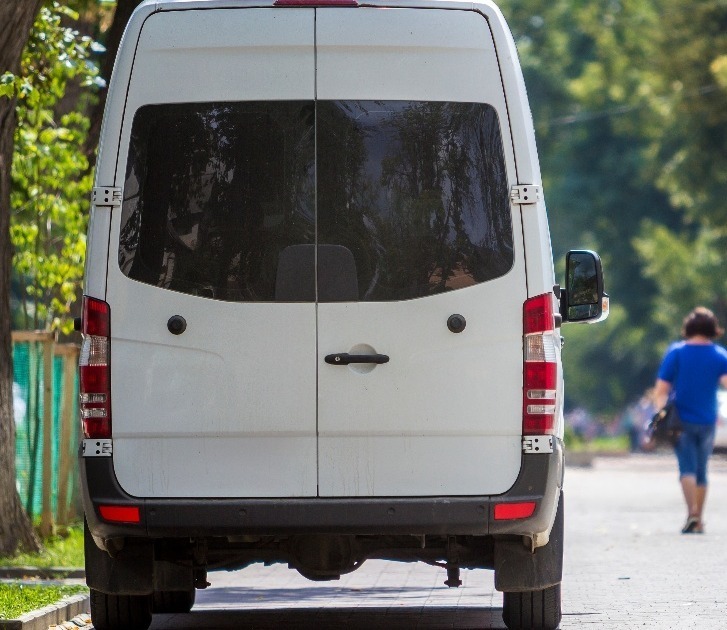
Commercial auto insurance helps protect businesses that own or lease vehicles used for work. Company cars, pickup trucks, vans, service vehicles, box trucks, and delivery vehicles can create significant exposure when they are used for business. Commercial auto insurance helps address the vehicle damage, injury claims, property damage, legal expenses, and operational disruption that can follow a covered accident.
Concklin Insurance Agency helps business owners review commercial auto coverage around the vehicles they own or lease, how those vehicles are used, who drives them, and what happens if an accident occurs.
Key Commercial Auto Coverages
Commercial auto policies vary, but several core coverages are commonly reviewed.
Liability Coverage
Liability coverage protects your business when a covered vehicle causes bodily injury or property damage to someone else.
A serious accident can create repair costs, injury claims, legal expenses, and lawsuits. Liability limits should be reviewed carefully based on the type of vehicle, how it is used, where it is driven, and who is driving.
Collision Coverage
Collision coverage pays for damage to a covered business vehicle after an accident.
This coverage helps repair or replace the vehicle after a crash, subject to the deductible and policy terms. Collision coverage may be especially important when a business depends on a vehicle to serve customers, reach job sites, or make deliveries.
Comprehensive Coverage
Comprehensive coverage pays for damage caused by events other than a collision.
This can include losses such as theft, vandalism, fire, certain weather-related damage, falling objects, and other covered non-crash events. Comprehensive coverage helps protect the vehicle itself from losses that can happen even when the vehicle is parked.
Medical Payments and Legal Expense Related Protection
Commercial auto claims can involve medical bills, lost wages, legal defense costs, and claim-related expenses after an at-fault accident.
Coverage depends on the policy, state rules, selected limits, and claim facts. A commercial auto review should include how the policy may respond when an accident causes injury, property damage, vehicle damage, or a lawsuit.
Uninsured and Underinsured Motorist Coverage
Uninsured and underinsured motorist coverage helps protect your business when another driver causes an accident but does not have insurance or does not have enough insurance.
This coverage can be important when employees are on the road regularly and may be exposed to drivers with inadequate limits.
Who Should Review Commercial Auto Insurance?
Commercial auto insurance should be reviewed when a business owns or leases vehicles for work. This can include cars, trucks, vans, delivery vehicles, service vehicles, and other vehicles titled, leased, or regularly used by the business.
Your business may need commercial auto insurance if company vehicles are used to:
- Visit customers or clients
- Make deliveries
- Transport tools, materials, equipment, or products
- Perform service calls
- Move employees between work locations
- Pick up supplies or inventory
- Support sales, operations, maintenance, or management duties
Commercial auto insurance is focused on vehicles the business owns or leases. If employees use their own personal vehicles for work, that exposure should be reviewed separately under hired and non-owned auto coverage.
Owned, Leased, and Rented
Commercial auto questions often come down to who owns the vehicle and how it is used.
Vehicles Owned by the Business
Vehicles titled to the business should generally be reviewed under commercial auto insurance. This includes cars, trucks, vans, and other vehicles used in business operations.
Vehicles Leased by the Business
Vehicles leased by the business can also be part of the commercial auto exposure. Lease agreements may include insurance requirements, required limits, loss payee language, additional insured language, or other coverage obligations.
Vehicles Rented for Business Use
Rented vehicles should be reviewed carefully. Depending on how the vehicle is rented, who rents it, how it is used, and how the policy is written, the exposure may involve hired auto coverage, commercial auto coverage, rental company coverage, or a combination of policies.
Commercial Auto vs. Personal Auto
A personal auto policy is not designed to insure vehicles owned or leased by a business. If the vehicle is titled to the business, leased by the business, or used primarily for business operations, it should be reviewed under commercial auto insurance.
Business use can also create coverage concerns when a vehicle is personally owned but used for work. Employee-owned vehicles, occasional errands, personal cars used for business tasks, and rented vehicles may require different coverage treatment.
Those exposures should not be assumed to be covered by a commercial auto policy written for owned or leased business vehicles.
Request More Information

Hired and Non-Owned Auto Insurance
If employees use their own vehicles for business purposes, that exposure should be reviewed under hired and non-owned auto coverage. Examples may include errands, supply runs, bank deposits, client visits, deliveries, or other business tasks.
What Affects Commercial Auto Insurance Cost?
Commercial auto pricing depends on several factors. Understanding these factors can help a business make better decisions before renewal.
Vehicle Type
A small company car, pickup truck, cargo van, box truck, and specialty vehicle may all be rated differently. Vehicle size, value, weight, repair cost, and use can affect pricing.
Radius and Territory
Where vehicles travel can affect risk. Local driving, regional travel, long-distance travel, urban routes, highway use, and job-site travel can all affect the exposure.
Limits and Deductibles
Higher limits may increase premium, but low limits can leave the business exposed after a serious accident. Deductibles also affect cost and should be selected based on how the business would handle a claim.
Vehicle Use
How the vehicle is used matters. A vehicle used for local sales calls creates a different exposure than a vehicle used for deliveries, job sites, service routes, or hauling equipment.
Garaging Location
Where vehicles are kept when not in use can affect pricing. A vehicle garaged at a business location, employee home, job site, or secured lot may be viewed differently.
Safety Controls
Driver screening, vehicle maintenance, accident reporting procedures, telematics, distracted driving policies, and regular safety reviews can help improve results over time.
Drivers
Driver age, experience, motor vehicle records, licensing, and driving history can all affect commercial auto pricing and eligibility. Businesses should review who is allowed to drive company vehicles and how drivers are approved over time.
Claims History
Prior accidents, claim frequency, claim severity, and open claims can affect future pricing and insurance availabilty.
Ways to Reduce Commercial Auto Risk
Commercial auto insurance is only part of managing vehicle exposure. Strong driver and vehicle practices can help reduce accidents, claims, downtime, and long-term insurance costs.
Businesses can reduce commercial auto risk by focusing on:
- Driver screening
- Motor vehicle record checks
- Written driver eligibility rules
- Vehicle maintenance schedules
- Accident reporting procedures
- Distracted driving policies
- Seat belt expectations
- Delivery or route planning procedures
- Telematics or driver monitoring, when appropriate
- Regular review of claims and near misses
The goal is to reduce both the frequency and severity of claims. Even a small number of vehicle accidents can affect employees, customers, schedules, repairs, insurance costs, and the business's ability to operate.
Drive Other Car Coverage
Drive Other Car coverage may help fill an important gap when a business provides a company vehicle to an owner, executive, or key employee who does not carry a personal auto policy.
A commercial auto policy is designed around vehicles owned or leased by the business. It may not automatically provide the same protection a personal auto policy would provide. Drive Other Car coverage can help address that gap for specifically named individuals.
This coverage should be reviewed when someone relies on a company-owned vehicle for personal use, especially if they do not have a separate personal auto policy.
Why Businesses Work With Concklin for Commercial Auto Insurance
Coverage Review for Business Vehicles
Concklin helps businesses review how owned and leased vehicles are used, who drives them, what limits are needed, and how the commercial auto policy fits into the broader insurance program.
Help With Related Auto Exposures
Company vehicles, rented vehicles, Drive Other Car needs, and hired and non-owned auto exposures can overlap. Concklin helps business owners understand where one coverage ends and another may need to begin.
Risk Management Guidance
Driver screening, vehicle maintenance, telematics, accident reporting, and written vehicle-use rules can help reduce claims and improve long-term results.
Support With Claims and Changes
When vehicles are added, removed, leased, replaced, garaged differently, or used in new ways, the insurance program should be updated. Concklin helps clients manage those changes and work through claims questions when accidents happen.
Frequently Answered Questions
What is commercial auto insurance?
Commercial auto insurance helps cover vehicles a business owns or leases for work. It can help protect the business against liability claims, vehicle damage, and other covered losses tied to business vehicle use.
Who needs commercial auto insurance?
Businesses should review commercial auto insurance when they own or lease vehicles used for work. This may include cars, pickup trucks, vans, delivery vehicles, service vehicles, and other company vehicles.
What does commercial auto insurance cover?
Commercial auto insurance may include liability coverage, collision coverage, comprehensive coverage, uninsured and underinsured motorist coverage, and certain medical payments or legal expense related protection, depending on the policy and state.
Does commercial auto insurance cover leased vehicles?
Yes, leased vehicles used for business can often be included in a commercial auto policy. Lease agreements may also require specific limits, loss payee wording, or other insurance terms.
Does commercial auto insurance cover rented vehicles?
Rented vehicle exposure should be reviewed carefully. Depending on how the vehicle is rented and used, coverage may involve hired auto coverage, commercial auto coverage, rental company coverage, or a combination of policies.
Does commercial auto insurance cover employees using their own cars?
If employees use personal vehicles for business purposes, hired and non-owned auto coverage should be reviewed. This is separate from insuring vehicles the business owns or leases.
Can a business vehicle be used for personal driving?
Possibly, but personal use should be reviewed carefully. A commercial auto policy may not provide the same protection as a personal auto policy. Drive Other Car coverage may be worth reviewing when a business provides a company vehicle to an owner, executive, or key employee who does not have a personal auto policy.
Does commercial auto insurance cover tools or equipment inside the vehicle?
Commercial auto insurance is designed to cover the vehicle and auto liability exposures. Tools, equipment, materials, inventory, and other business property inside the vehicle may need separate inland marine coverage.
How much does commercial auto insurance cost?
Cost depends on vehicle type, vehicle use, drivers, motor vehicle records, garaging location, driving radius, claims history, limits, deductibles, and safety controls.
How much commercial auto liability coverage does my business need?
The right liability limit depends on the business, vehicles, drivers, contracts, and severity of loss the business could face. Businesses with heavier vehicles, frequent road use, employees driving daily, or contractual insurance requirements may need higher limits and may also want to consider umbrella coverage.
What information is needed for a commercial auto quote?
Helpful information may include vehicle year, make, model, VIN, garaging address, vehicle use, driver information, motor vehicle records, current coverage, loss history, requested limits, and whether vehicles are owned, leased, or rented.
Insurance Insights and Risk Management Guidance
Our blog articles help you stay informed and make more confident insurance decisions.
.png?height=200&name=Water%20Damage%20and%20Your%20Business%20Understanding%20Coverage%20Differences%20(1).png)
Talk to one of our agents





Client Resources
Client Portal
The Zywave portal gives Concklin clients access to professionally written insurance, HR, safety, compliance, and risk management resources. Content can be tailored by industry, state, and preference, with email updates available when new resources are added. Contact your Concklin representative with any questions.
Client Advocacy
Independent agents can serve as trusted advisors before and after coverage is bound. If a claim occurs, we can help you understand the process, communicate with the carrier, and gather information needed for the claim. Being in your corner means being there every step of the way, from helping you decide if a claim should be filed to talking with claims adjusters, the wellbeing of our clients is our number one priority.
Cyber Resources
Cyber threats can create serious costs for small businesses, including breach response, forensic work, customer notifications, legal expenses, and reputational damage. Concklin Insurance Agency offers cyber liability insurance, along with resources to help business owners better understand and reduce their cyber risk.
Request an Insurance Review
Concklin Insurance Agency can help you review your current program, compare coverage options, and build an insurance plan around your business's unique needs