Auto Repair Service Insurance
Insurance support for independent auto repair shops, service centers, tire shops, transmission shops, and specialty repair businesses
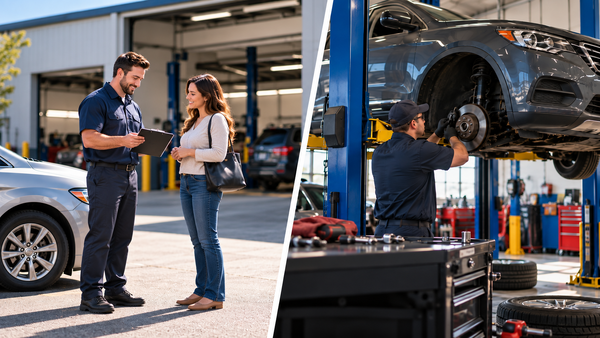
Auto repair shop insurance has to account for property your business owns and property your customers leave in your care.
Your building, equipment, tools, and parts inventory are only part of the insurance picture. Customer vehicles, repair-related liability, test drives, towing, and completed work can all affect how your coverage should be structured.
Concklin Insurance Agency helps repair shop owners review those coverage questions in plain language and compare options from multiple carriers, so the insurance program is built around the way the shop operates.
Why Auto Repair Shops Work With Concklin Insurance Agency
Garage Coverage Education
Garage liability and garagekeepers coverage sound similar, but they address different insurance needs.
Concklin Insurance Agency helps repair shop owners understand how those coverages apply to shop operations, customer vehicles, completed work, and claims that can involve more than one part of the insurance program.
Customer Vehicle Coverage Review
Customer vehicles are one of the defining insurance issues for an auto repair shop.
Concklin Insurance Agency helps you review how your policy applies when customer vehicles are stored, moved, repaired, test-driven, damaged, stolen, or involved in a claim connected to the shop's work.
Shop Property, Tools, and Equipment
Your shop depends on property that can be expensive to replace and difficult to operate without.
Concklin Insurance Agency helps you review how your building, equipment, tools, parts inventory, and business income needs are addressed, including questions around employee-owned tools if technicians bring their own property to the shop.
Independent Agency Support
Auto repair insurance quotes can look similar while handling customer vehicles, repair work, property, pollution exposure, and business auto differently.
As an independent insurance agency, Concklin Insurance Agency can help you compare options from multiple carriers and understand how each option fits the way your shop operates.
Insurance Built Around Customer Vehicles
Customer vehicles create a different insurance issue than your shop's own property.
A vehicle damaged in your lot, inside a service bay, during a test drive, or while being picked up or returned may involve garagekeepers coverage, garage liability, commercial auto, or another part of the policy depending on what happened.
Your coverage should match how your shop handles customer vehicles throughout the repair process, including storage, movement, test drives, key control, documentation, and claim procedures.
Garage Liability vs. Garagekeepers Coverage
Garage liability is coverage designed for auto repair and service operations. It can address certain claims tied to the shop's premises, business operations, repair work, and completed work, subject to the terms, limits, and exclusions of the policy.
Garagekeepers coverage is different. It addresses physical damage to a customer's vehicle while it is in the shop's custody or control, subject to the terms, limits, and exclusions of the policy.
A test-drive accident, fire damage while a vehicle is parked inside the shop, and a repair dispute after the vehicle leaves can all involve a customer's vehicle.
They sound similar at first, but coverage does not apply the same way to each claim. Physical damage to the vehicle, liability from the shop's operations, completed repair work, who was driving, where the vehicle was located, and how the coverage is written can all affect which part of the insurance program responds.
Repairs, Completed Work, and Customer Disputes
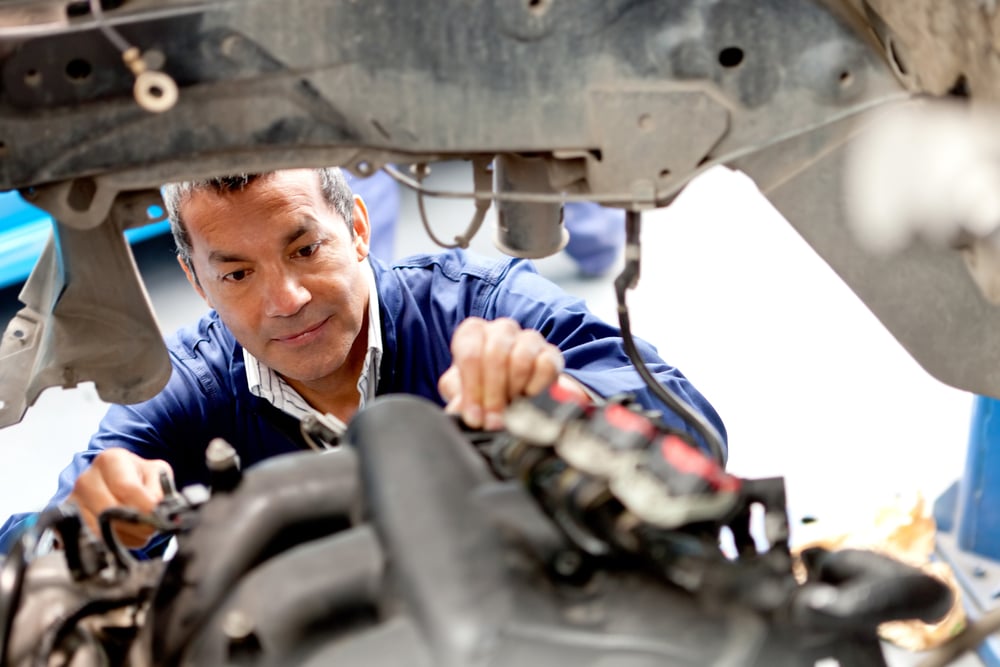
Repair-related claims can develop after the vehicle leaves the shop.
A customer may allege that a repair was completed incorrectly, a part failed, another problem was caused by the work, or the vehicle was not safe after service. Those claims can involve completed operations, faulty workmanship, resulting damage, product liability, and other details that affect how coverage responds.
For an auto repair shop, the important question is how the policy treats a claim tied to completed work, especially when the customer alleges the repair contributed to damage, injury, or an accident after the vehicle leaves the shop.
Shop Property, Equipment, and Tools
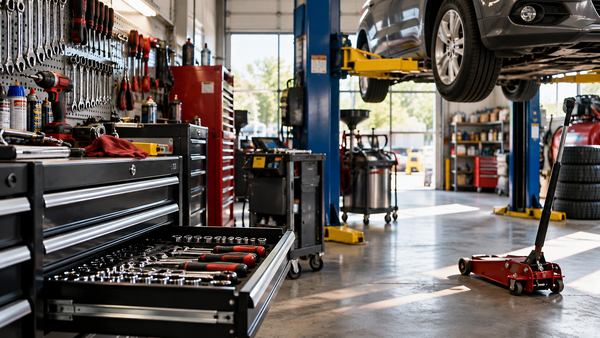
An auto repair shop depends on property that can be expensive to repair, replace, or operate without.
The insurance review should account for the property your shop owns, the equipment you rely on, the parts and supplies you keep on hand, and the systems that support daily work. Property values, replacement costs, and whether coverage is written on a replacement cost or actual cash value basis can all affect how a claim is paid.
Employee-owned tools need separate attention if technicians bring their own tools to the shop. Some policies limit or exclude property owned by employees unless it is specifically addressed.
Equipment breakdown and business income also belong in this conversation because a covered property loss or equipment failure can affect how quickly the shop returns to normal operations.
Towing, Pickup, and Drop-Off
Not every auto repair shop offers towing, pickup, or drop-off service. If your shop does, those services should be included in the insurance review.
A tow truck creates different insurance needs than a service bay. Pickup and drop-off also add driving exposure when employees are operating customer vehicles or traveling on behalf of the shop.
Coverage should be reviewed around who is driving, whether customer vehicles are being transported or driven, and how the policy treats accidents away from the shop.
Pollution, Fluids, and Environmental Concerns
Auto repair shops can have pollution-related exposure that is handled differently from ordinary property damage.
A spill, leak, disposal issue, contamination claim, or cleanup demand can involve coverage limitations that are easy to miss if pollution is treated as a side issue.
Your insurance program should address how environmental claims may be handled when the shop stores, uses, transports, or disposes of materials tied to repair work. Storage procedures, disposal practices, employee training, and documentation can also affect underwriting and how a loss is evaluated.
Key Insurance Coverages for Auto Repair Shops
An auto repair shop insurance program should reflect how your shop handles customer vehicles, repair work, shop property, employees, business driving, equipment, and any specialized services the shop provides.
Garage Liability
Garage liability is liability coverage designed for auto repair and service operations.
It can address certain claims tied to the shop's premises, business operations, repair work, and completed work, subject to the terms, limits, and exclusions of the policy.
Commercial Property
Commercial property coverage helps protect property at the shop location.
This may include the building, office property, signage, and other property the shop owns or is responsible for insuring.
Pollution Liability
Pollution liability should be addressed if the shop stores, uses, transports, or disposes of materials that could create environmental or cleanup claims.
Pollution-related losses may be limited, excluded, or handled differently from other shop liability claims. If your shop has this exposure, review how spills, leaks, disposal issues, contamination claims, and cleanup demands are addressed by the insurance program.
Employment Practices Liability
Employment practices liability insurance can help protect your business from certain employee-related claims, such as discrimination, harassment, wrongful termination, or retaliation.
Commercial Umbrella
Commercial umbrella coverage can provide additional liability limits above certain underlying policies, such as garage liability and commercial auto.
For auto repair shops, higher limits may be worth discussing when the business handles multiple customer vehicles, operates tow trucks, performs test drives, or works on high-value vehicles.
Garagekeepers Coverage
Garagekeepers coverage addresses physical damage to a customer's vehicle while it is in the shop's custody or control.
This coverage should fit how your shop handles customer vehicles, including where they are kept, whether they are stored overnight, how they are moved, who drives them, and what types of damage are covered by the policy.
Business Personal Property
Business personal property coverage helps protect property your shop uses to operate.
For an auto repair shop, this can include equipment, computers, furniture, parts, supplies, and other business property at the location. Employee-owned tools may need to be addressed separately because they may not be covered the same way as property owned by the business.
Business Income
Business income coverage can help replace certain lost income and extra expenses if a covered loss forces the shop to close or operate in a limited way.
Coverage is not automatic for every loss of sales. The cause of the interruption must be covered by the policy, and the policy may include waiting periods, exclusions, or limits.
Cyber Liability
Cyber liability should be addressed if your shop relies on payment processing, shop management software, customer records, online scheduling, payroll systems, vendor accounts, or electronic communication.
A cyber event can affect payments, customer information, payroll, vendor access, and daily shop operations.
Equipment Breakdown
Equipment breakdown coverage may help with certain losses involving covered equipment failures.
For an auto repair shop, a major equipment failure can interrupt work, delay repairs, and affect revenue.
Workers' Compensation
Workers' compensation helps protect employees and the business when someone is injured on the job.
For auto repair shops, payroll, job classifications, shop work, test driving, towing if applicable, and the type of work employees perform can all affect workers' compensation.
Commercial Auto
Commercial auto coverage applies when the business owns or leases vehicles used for business purposes.
This may include shop vehicles, parts-run vehicles, tow trucks, pickup or drop-off vehicles, and other vehicles titled to or used by the business.
Hired and Non-Owned Auto
Hired and non-owned auto coverage applies when employees use personal, rented, borrowed, or non-owned vehicles for work-related driving.
Hired and non-owned auto helps address liability exposure for the business, but it does not replace the employee's personal auto policy.
Crime Coverage
Crime coverage helps protect the business from certain losses involving theft, fraud, employee dishonesty, forgery, computer fraud, or funds transfer fraud.
For auto repair shops, this may be worth reviewing if employees handle payments, parts inventory, customer property, vendor payments, or business accounts.
Frequently Asked Questions
What is the difference between garage liability and garagekeepers coverage?
Garage liability is liability coverage designed for auto repair and service operations. It can address certain claims tied to the shop's premises, business operations, repair work, and completed work.
Garagekeepers coverage addresses physical damage to a customer's vehicle while it is in the shop's custody or control.
A repair shop may need both because a claim involving a customer vehicle can be handled differently depending on what happened, where the vehicle was located, who was driving, etc.
Does my insurance cover a customer's vehicle while it is at my shop?
Customer vehicles are usually addressed through garagekeepers coverage.
Garagekeepers coverage may help address certain losses involving a customer vehicle while it is parked at your shop, stored overnight, moved inside the shop, lifted for repairs, or otherwise in your custody or control.
Coverage depends on the policy, what caused the damage, where the vehicle was located, who was responsible for it, and what limits or exclusions apply.
What happens if a customer's car is stolen from my lot?
A stolen customer vehicle may involve garagekeepers coverage, depending on how the policy is written.
The claim may look at where the vehicle was stored, whether it was in your custody or control, what security procedures were in place, whether keys were secured, and what limits or exclusions apply.
If customer vehicles are kept overnight or parked outside, review garagekeepers coverage, lot procedures, key control, lighting, cameras, and documentation.
What happens if a customer's vehicle is damaged while inside the shop?
Damage to a customer's vehicle inside the shop may involve garagekeepers coverage, but the cause of the damage controls the insurance issue.
A claim may involve fire, theft, vandalism, collision, lift damage, employee handling, or another covered cause of loss. The policy terms, limits, deductibles, and exclusions determine how coverage applies.
Your shop should understand how customer vehicles are covered while they are parked, moved, lifted, repaired, or stored.
Am I covered if an employee crashes a customer's vehicle during a test drive?
A test-drive accident can involve more than one coverage.
Garage liability, garagekeepers coverage, or another part of the policy may apply depending on who was driving, why the vehicle was being driven, what happened, and how the policy is written.
If your shop test-drives customer vehicles, review who is allowed to drive, how test drives are handled, and how accidents involving customer vehicles are covered.
What happens if a customer says my repair caused an accident?
A repair-related accident can involve completed operations, faulty workmanship, product liability, resulting damage, and the cost to correct the repair itself.
Coverage depends on the policy, the work performed, what failed, when the accident happened, and what damages are being claimed.
If a customer alleges that repair work contributed to damage, injury, or an accident after the vehicle leaves the shop, review how your policy treats completed work and resulting damage.
Does auto repair shop insurance cover faulty workmanship?
Faulty workmanship claims require careful review.
A policy may respond to certain resulting damage claims, but it may not pay to redo defective work, replace a faulty part, or correct poor workmanship. Exclusions, completed operations coverage, garage liability, and the facts of the claim all affect the answer.
Your shop should review how the policy handles repair mistakes, comeback claims, completed work, and resulting damage.
Does my policy cover employee-owned tools?
Employee-owned tools may not be covered the same way as tools owned by the business.
Some policies limit coverage for employee-owned property or require it to be specifically included. If technicians bring their own tools to the shop, ask your insurance agent how those tools are covered, what limits apply, and what documentation may be needed.
What insurance covers my lifts, diagnostic equipment, and shop equipment?
Shop equipment is usually reviewed under business personal property, commercial property, and equipment breakdown coverage.
Business personal property can help protect equipment owned by the shop at the business location. Equipment breakdown may help with certain covered equipment failures. The right approach depends on what equipment the shop owns, how it is valued, and what losses the policy covers.
What happens if my shop has to close after a fire, storm, or covered loss?
Business income coverage can help replace certain lost income and extra expenses if a covered loss forces your shop to close or operate in a limited way.
Coverage depends on the policy, the cause of the loss, waiting periods, limits, exclusions, and how long it takes to repair or reopen the shop.
Do I need pollution liability for an auto repair shop?
Pollution liability should be reviewed because auto repair shops can have cleanup, disposal, spill, or contamination exposure.
If your shop stores, uses, transports, or disposes of materials that could create environmental concerns, this exposure should be discussed.
Do I need commercial auto insurance if my shop does not own any vehicles?
If your shop does not own or lease vehicles, you may not need a commercial auto policy.
You should review Hired and non-owned auto coverage if employees use personal, rented, borrowed, or non-owned vehicles for parts runs, errands, customer pickup or drop-off, or other work-related driving.
If employees drive customer vehicles, that should also be reviewed separately because customer vehicle use may involve garagekeepers coverage, garage liability, or another part of the insurance program depending on different scenarios.
What insurance do I need if my shop offers towing?
If your shop offers towing, commercial auto coverage should be reviewed around tow trucks, drivers, towing operations, and vehicles being transported.
Towing can also create questions involving garagekeepers coverage, on-hook coverage, liability, customer vehicle damage, and contracts if towing is provided for another business or organization.
Your insurance agent should know whether towing is occasional, regular, or a major part of the business.
Request a Quote
Insurance Insights and Risk Management Guidance
Our blog articles help you stay informed and make more confident insurance decisions.
Talk to one of our agents
Client Resources
Client Portal
The Zywave portal gives Concklin clients access to professionally written insurance, HR, safety, compliance, and risk management resources. Content can be tailored by industry, state, and preference, with email updates available when new resources are added. Contact your Concklin representative with any questions.
Client Advocacy
Independent agents can serve as trusted advisors before and after coverage is bound. If a claim occurs, we can help you understand the process, communicate with the carrier, and gather information needed for the claim. Being in your corner means being there every step of the way, from helping you decide if a claim should be filed to talking with claims adjusters, the wellbeing of our clients is our number one priority.
Cyber Resources
Cyber threats can create serious costs for small businesses, including breach response, forensic work, customer notifications, legal expenses, and reputational damage. Concklin Insurance Agency offers cyber liability insurance, along with resources to help business owners better understand and reduce their cyber risk.
Request an Auto Repair Service Insurance Quote
Your auto repair shop needs coverage that reflects how the business operates, how customer vehicles are handled, and where the largest losses could come from.
Concklin Insurance Agency can help you review your coverage, compare options, and build an insurance program around your shop.